
shell
ผู้เยี่ยมชม
benducket3211@gmail.com
Could Autoperformance60 Become an Important Search for Car Performance Enthusiasts? (7 อ่าน)
12 ก.ย. 2569 00:28
The automotive industry continues to attract drivers, mechanics, enthusiasts, and technology followers who want to understand the latest developments in vehicle performance. Modern cars are no longer judged only by their engine size or maximum speed. Drivers increasingly consider acceleration, handling, fuel efficiency, braking, reliability, comfort, and advanced technology when evaluating a vehicle. In this expanding automotive environment, autoperformance60 can be explored alongside a wide range of subjects connected with car performance, vehicle upgrades, maintenance, and automotive innovation.
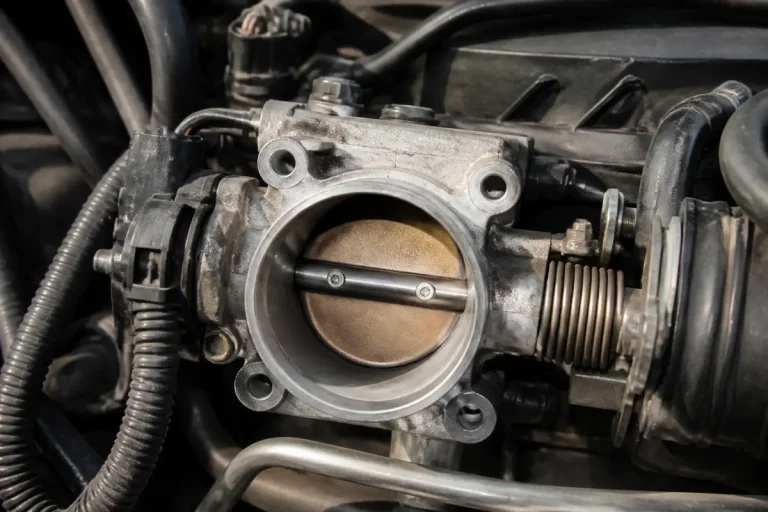
Automotive performance is a broad field that includes engine tuning, ECU optimization, suspension technology, performance tires, braking systems, exhaust upgrades, air intake systems, vehicle diagnostics, and routine servicing. Each component has an important role in determining how a vehicle behaves on the road. A well-balanced performance vehicle is created through the careful interaction of several systems rather than through a single modification.
For people searching for autoperformance60, learning about these connected areas can provide a ***ter understanding of modern automotive engineering. Whether someone is interested in improving a daily driver, maintaining a sports car, researching aftermarket automotive parts, or simply learning more about vehicle technology, performance knowledge can help support ***ter automotive decisions.
Autoperformance60 and Modern Vehicle Performance
The term autoperformance60 can be considered within the larger automotive performance sector, where enthusiasts explore ways to understand, maintain, and improve vehicles. Performance generally refers to the ability of a vehicle to accelerate, corner, brake, respond to driver inputs, and maintain stability under different driving conditions.
Engine performance remains a major focus for automotive enthusiasts. Modern engines use sophisticated technologies such as electronic fuel injection, turbocharging, variable valve timing, direct injection, and computerized engine management. These systems allow manufacturers to balance power, efficiency, emissions, and everyday drivability.
Engine tuning is frequently discussed when exploring automotive performance. ECU calibration can influence aspects of engine operation when it is performed correctly and according to the vehicle's specifications. Professional tuning should consider the engine's condition, fuel requirements, hardware configuration, and operating environment. Incorrect calibration can negatively affect reliability, fuel consumption, emissions, and long-term engine health.
Air intake and exhaust systems are also closely associated with performance vehicles. Engines require controlled airflow for combustion, while exhaust systems help remove gases generated during operation. Performance intake systems, exhaust components, and related upgrades may alter engine response or sound, but their actual benefits depend on the specific vehicle and installation quality.
Performance should also be considered as a complete system. Increasing engine output without considering tires, brakes, cooling, suspension, and drivetrain components can create an unbalanced vehicle. For this reason, automotive enthusiasts often evaluate the entire vehicle before deciding which improvements are appropriate.
Car Upgrades and Driving Experience
Vehicle modifications are another important part of the automotive performance industry. Drivers interested in autoperformance60 may also search for information about performance suspension, high-performance tires, brake upgrades, sports exhaust systems, ECU tuning, aftermarket car parts, and handling improvements.
Suspension plays a major role in how a vehicle responds to steering and road conditions. Springs, dampers, bushings, stabilizer components, and wheel alignment can influence cornering behavior, ride comfort, steering feedback, and stability. A performance suspension setup can make a vehicle feel more responsive, but the ideal configuration depends on its intended purpose.
A car used for daily commuting may require a different suspension balance from a vehicle designed for controlled track driving. Excessively aggressive components can make normal roads uncomfortable and may not provide practical benefits for every driver. Understanding the relationship ***ween suspension geometry, tires, weight, and driving conditions is therefore important before making major changes.
Tires are equally important because they provide the vehicle's contact with the road. Performance tires can contribute to improved traction, cornering grip, steering response, and braking. However, selecting suitable tires requires consideration of vehicle specifications, weather, road surfaces, driving habits, and tire ratings.
Braking systems are another essential element of automotive performance. Strong acceleration needs to be matched with reliable stopping capability. Brake pads, rotors, calipers, brake fluid, and related components should be inspected and maintained appropriately. Drivers considering performance modifications should view braking as an essential part of the complete vehicle rather than as an optional upgrade.
Maintenance and Automotive Technology
Proper maintenance is the foundation of dependable vehicle performance. Before installing performance parts, owners should make sure the engine, transmission, cooling system, brakes, suspension, and tires are in good condition. A modification installed on a poorly maintained vehicle may not deliver the expected results and can potentially increase stress on existing components.
For readers researching autoperformance60, maintenance-related topics can be just as relevant as performance upgrades. Engine oil, coolant, filters, spark plugs, transmission fluid, belts, hoses, and brake fluid all contribute to reliable operation. Following the appropriate service schedule can help preserve a vehicle's performance and identify potential issues before they become more serious.
Modern diagnostic technology has also changed automotive maintenance. Today's vehicles contain numerous electronic control units and sensors that continuously monitor different systems. Diagnostic tools can help technicians investigate fault codes, engine problems, transmission issues, emissions concerns, and electronic system failures.
Performance monitoring has become more accessible as well. Digital gauges and diagnostic applications can provide information about temperatures, system conditions, and engine parameters. This information can help enthusiasts understand their vehicles and evaluate whether a modification is producing the intended effect.
Automotive software is becoming increasingly important in vehicle performance. Electronic throttle systems, traction control, stability management, adaptive suspension, automated transmissions, and engine management systems rely on software to coordinate different vehicle functions. This means modern automotive performance requires an understanding of both mechanical engineering and electronic control technology.
The Future of Autoperformance60 and Automotive Innovation
Automotive performance is entering a new era as manufacturers develop hybrid and electric vehicles alongside conventional internal combustion engines. Electric motors can provide immediate torque delivery, while advanced battery systems and electronic controls create new approaches to acceleration and efficiency.
Hybrid technology combines combustion engines with electric motors to deliver a different balance ***ween performance and efficiency. The increasing importance of battery management, thermal control, regenerative braking, and software optimization is changing the traditional definition of vehicle performance.
Electric performance vehicles demonstrate that acceleration and responsiveness can be achieved through technologies that differ significantly from traditional engines. As battery technology improves, automotive engineers are exploring new ways to reduce weight, improve energy efficiency, enhance cooling, and optimize power delivery.
Lightweight materials and aerodynamic engineering are also contributing to modern vehicle development. Reducing unnecessary mass can influence acceleration, braking, and handling, while aerodynamic design can improve stability and efficiency. These developments demonstrate that automotive performance is becoming increasingly multidisciplinary.
For individuals searching for autoperformance60, related terms such as car performance upgrades, engine tuning, automotive diagnostics, ECU optimization, performance suspension, sports tires, brake improvements, aftermarket automotive parts, hybrid performance, and electric vehicle technology can provide additional context.
The future will likely bring even greater integration ***ween mechanical components, software, sensors, and intelligent vehicle systems. Performance vehicles may become increasingly capable of automatically adjusting power delivery, suspension behavior, traction, and braking according to driving conditions.
Conclusion
à propos can be explored within the broader world of automotive performance, where drivers and enthusiasts are interested in engine technology, vehicle upgrades, maintenance, handling, braking, tires, diagnostics, and automotive innovation. Understanding these areas provides a stronger foundation for appreciating how modern vehicles are designed and improved.
Effective automotive performance is ultimately about balance. Engine power needs suitable traction, braking, cooling, suspension, and drivetrain support. Regular maintenance should provide the foundation for modifications, while aftermarket components should be selected according to the vehicle's specifications and intended use.
43.242.176.93
shell
ผู้เยี่ยมชม
benducket3211@gmail.com