
shell
ผู้เยี่ยมชม
benducket3211@gmail.com
Is ERW Pipe the Most Cost-Effective Solution for Modern Industrial Infrastructure? (43 อ่าน)
17 พ.ค. 2569 01:23
ERW pipe, short for Electric Resistance Welded pipe, is one of the most widely used steel pipe products in modern construction and industrial applications. It is valued for its affordability, structural strength, and manufacturing efficiency. Industries such as oil and gas, construction, water supply systems, automotive engineering, and mechanical fabrication rely heavily on erw steel pipe for reliable and cost-effective performance.
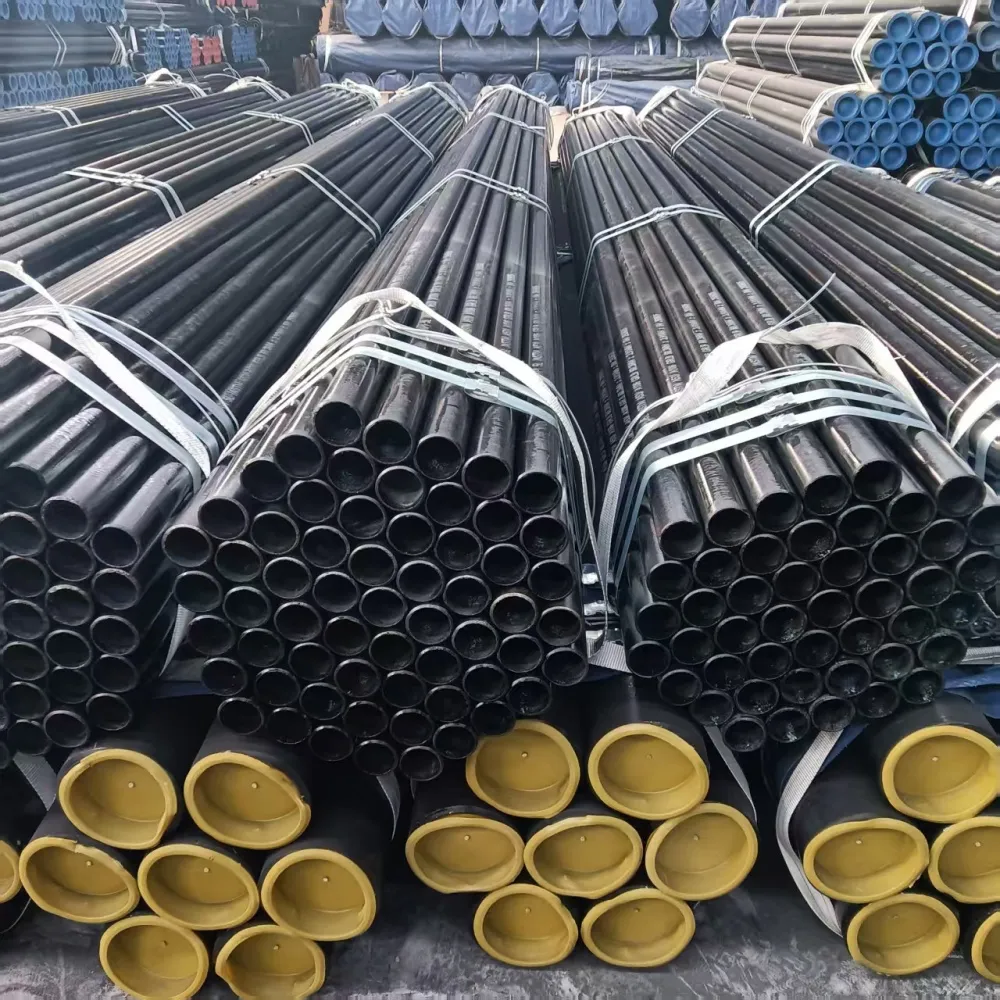
The production of ERW pipe begins with high-quality steel coils that are carefully unrolled and shaped into a cylindrical form. The edges of the steel strip are brought together and welded using high-frequency electric resistance heating. This process generates heat at the seam and fuses the edges without the need for filler material, creating a strong and uniform weld joint.
ERW steel pipe manufacturing is highly automated, ensuring precision and consistency throughout production. After welding, the pipe passes through sizing and straightening equipment to achieve accurate dimensions and smooth surface finishing. Heat treatment is sometimes applied to enhance weld strength and mechanical properties.
Carbon steel ERW pipe is among the most commonly used types due to its strength and affordability. Galvanized ERW pipe is also widely used in environments where corrosion resistance is required, as the zinc coating protects the pipe from rust and environmental damage. These pipes are widely used in both underground and above-ground installations.
Modern ERW pipe manufacturers follow strict international standards such as ASTM and API specifications to ensure quality and reliability. Advanced inspection methods like ultrasonic testing, eddy current testing, and hydrostatic pressure testing are used to verify weld integrity and overall performance.
The increasing demand for infrastructure development and industrial expansion has significantly boosted the global demand for electric resistance welded pipe. ERW steel tubing continues to play a key role in modern engineering due to its efficiency, availability, and versatility.
ERW Pipe Industrial Applications
ERW pipe is widely used across multiple industries because of its adaptability and reliable performance. In the construction industry, structural ERW steel pipe is used for building frameworks, bridges, scaffolding systems, fencing, and industrial sheds. Its uniform thickness and smooth surface make it suitable for both structural and architectural applications.
The oil and gas industry relies on ERW steel pipe for transporting petroleum products, natural gas, and water injection systems. ERW carbon steel pipe is commonly used for pipelines that operate under medium pressure conditions. Its balance ***ween cost and performance makes it an ideal choice for large-scale pipeline networks.
Water supply and drainage systems also depend heavily on ERW pipe. Municipal water distribution systems, irrigation pipelines, and sewage systems use galvanized ERW steel pipe because of its corrosion resistance and long service life. The protective coating helps prevent rust formation and ensures long-term durability in humid and underground environments.
Automotive and mechanical industries use precision ERW tubing in vehicle frames, hydraulic systems, steering columns, and machinery parts. The accuracy in diameter and wall thickness improves performance and ensures compatibility with engineering components.
Fire protection systems and HVAC installations also use ERW pipe due to its reliability in handling moderate pressure applications. Industrial plants prefer welded steel pipe for utility lines and general-purpose fluid transport systems because of its cost efficiency and ease of installation.
Stainless ERW steel pipe is used in industries that require higher resistance to corrosion and chemical exposure. Chemical processing plants, food production facilities, pharmaceutical industries, and marine applications rely on stainless steel tubing for hygienic and durable operations.
As global industrialization continues to expand, the demand for ERW pipe continues to rise steadily. Infrastructure development projects and industrial modernization are key drivers of its growing usage worldwide.
ERW Pipe Performance Advantages
ERW pipe offers several advantages that make it one of the most practical steel piping solutions in the industry. One of the most important benefits is cost efficiency. Compared to seamless steel pipe, ERW pipe requires less raw material and lower production costs, making it an economical option for large infrastructure projects.
Dimensional accuracy is another major advantage of ERW steel pipe. The manufacturing process ensures uniform diameter, consistent wall thickness, and straight alignment. This precision makes installation easier and reduces the chances of fitting errors in industrial systems.
ERW carbon steel pipe provides good mechanical strength and durability for medium-pressure applications. Modern high-frequency welding technology has significantly improved weld seam quality, allowing ERW pipe to handle mechanical stress and operational pressure efficiently.
The smooth internal surface of ERW pipe enhances fluid flow efficiency by reducing friction losses. This makes it suitable for water transportation, gas distribution, and industrial fluid transfer systems. The smooth external surface also allows for ***ter coating adhesion, improving corrosion resistance.
Corrosion resistance can be enhanced through galvanization or protective coatings. Galvanized ERW pipe is widely used in outdoor construction and underground applications where moisture exposure is high. Stainless ERW pipe offers superior resistance to chemical reactions and is used in specialized industrial environments.
Another key advantage is manufacturing flexibility. ERW pipe can be produced in different sizes, thicknesses, and grades depending on application requirements. This versatility makes it suitable for everything from light structural work to heavy industrial usage.
Modern advancements in ERW pipe manufacturing have further improved product quality, energy efficiency, and sustainability. Automated production systems and improved welding techniques ensure higher reliability and consistency across industrial applications.
Conclusion
ERW pipe remains one of the most widely used and cost-effective steel piping solutions in modern industry. Its combination of affordability, strength, dimensional accuracy, and versatility makes it suitable for construction, oil and gas transportation, water supply systems, automotive manufacturing, and industrial engineering applications. As global infrastructure and industrial development continue to grow, the demand for ERW steel pipe is expected to increase steadily.
Industries looking for reliable and economical piping systems continue to choose ERW pipe because it delivers consistent performance and long service life. With ongoing improvements in manufacturing technology and international quality standards, ERW steel products will remain an essential part of modern industrial infrastructure for many years to come.
43.242.176.119
shell
ผู้เยี่ยมชม
benducket3211@gmail.com